Electronics
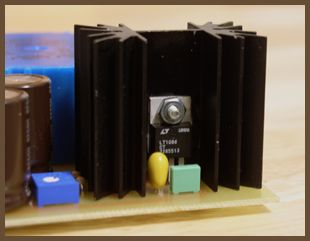
Power Supplies
Op-Amp Based Linear Regulators — This article traces the history of the Sulzer and Jung op-amp based linear regulator designs and comparatively reviews these circuits.
Virtual Ground Circuits — Virtual ground circuits create a dual-voltage supply from a single supply. This article describes several circuits that vary in complexity and performance, trading one for the other.
Test Equipment
How to Buy a Multimeter — Advice on selecting a brand, features, and a cost range to fit your needs.
Low Noise Measurement Preamplifier — A switchable 40dB/60dB AC amplifier designed for testing low-voltage signals with test equipment of average sensitivity. It was made for testing output noise of the power supplies mentioned above, which can be down in the μV range.
Op-Amp Tester — A simple go/no-go circuit for testing whether an op-amp is dead or not.
Building a “Smarty” Load — You know what a “dummy load” is, right? Well, this is better.
A Broken Circuit — What use is a broken circuit, and why would one build one on purpose? Current measurement, of course!
PCB Schematic and Layout Editor Parts
EAGLE Parts — Custom parts for EAGLE. Included here are most of the custom parts I used in making the various PCBs on this site, plus contributions from others. Some of these part libraries will work with EAGLE 4, but others require EAGLE 5.
ExpressPCB Parts — The same, for ExpressPCB.
Miscellaneous
Tangent Tutorials — A series of training videos aimed at those getting started in DIY electronics.
DIY Heat Sinks — Several DIY TO-220 heat sinks commpared to a commercial heat sink. How does a penny or paperclip compare?
Electronics Book Reviews — Reviews of my favorite electronics books.
What is a “Breadboard”? — Breadboard, perfboard, plugboard, vectorboard... If you’re confused about all these terms, this short article will help clear the fog.